For nearly 300 University of Memphis student-athletes, each day in college ticks away with clockwork precision.
From 8 a.m. to 12:45 p.m., classes are scheduled. After lunch, study time is mandated. Following studies, hours of exercise are performed. And around 5 p.m., it's time to eat, finish homework and prepare for the next day.
This isn't the glamorous picture often depicted of the lives of star collegiate athletes. But a glimpse into the sixth and seventh floors of Wilder Tower, The Center for Athletic Academic Services, paints the portrait of a "total" student-athlete with a bit more clarity.
Sprawled across a loveseat far too small for his 6-foot-3 frame, Charles Carmouche intermingles glances at his phone and his computer with a few long, exasperated sighs. He balls up his legs and closes his eyes; just as academic advisor Jessie Mills steps from her office.
She makes sure the junior transfer student is doing his English homework, and the promising new basketball guard from New Orleans rolls up to gather himself and begin study hall.
"My first two years in college, I hated it," said Carmouche, referring to the mandatory study times required of student-athletes. "But I guess I'm used to it now. It's good because, in case you miss something, it's like having your mom come up behind you - having that third eye to make sure you've done everything."
A 434-page NCAA eligibility rulebook encompasses the "everything" a student athlete must work for to maintain player status at Division-I and Division-II schools. A handful of staff members in CAAS are dedicated to filing the paperwork for each player.
Joe Luckey, in his eighth year as CAAS director, oversees and evaluates the processes of the department.
"(The requirements) are so complex and comprehensive that there's no way anybody can make it through the year without having some kind of rule broken," Luckey said. "The key is that none of that happens in a way that was intended ... the NCAA, they would be concerned if schools didn't report anything."
Scandals involving botched NCAA eligibility standards seem to crop up every year at institutions of higher learning nationwide, including the U of M's 2009 Derrick Rose fiasco, when allegations arose suggesting his SAT score was in some way falsified. The school appealed the NCAA ruling, lost and was stripped of the season's wins.
A month ago, the NCAA ruled freshman basketball standout Will Barton ineligible due to his taking longer than the time allotted to complete high school. His case went up for special review, and after The U of M sent more than 2,000 pages of documentation, the ruling was reversed.
The stringent rules the NCAA places on players are necessary to ensure academic success, Luckey said. For example, student-athletes have to maintain a certain grade point average and complete coursework on the path to graduation in four years. Athletes also have to declare a major by their fifth semester in school and have to complete 40 percent of the degree requirements by their third year of study.
"We focus on looking at the academic skills (players) need to be successful to allow them to graduate," Luckey said. "Our goal is for them to be educated in more than just the classroom. We work on skills that will allow them, when they leave Memphis, to be prepared for life after Memphis."
Some sports on campus sail above the NCAA requirements. Women's golf finished seventh in the country, in terms of a cumulative team grade point average, last season. Women's soccer, tennis and volleyball have each had multiple semesters with an average team GPA of 3.0. On the men's side, the baseball team has performed the best academically.
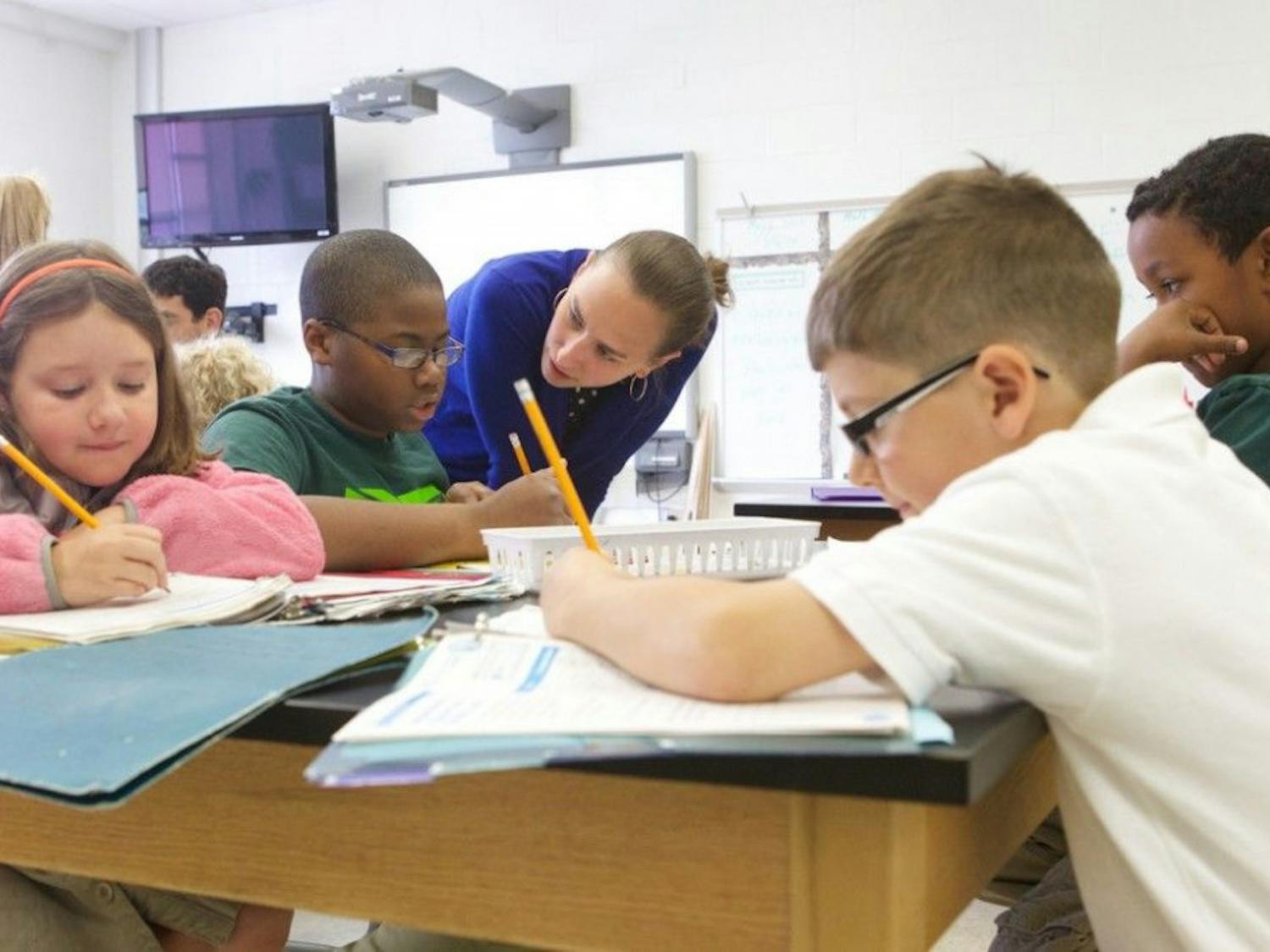
According to Mills, who advises players from men's basketball, women's softball and women's golf, different teams have individualized study plans catered to the players' needs.
For most teams, all freshmen have to attend study hall several times a week. After that, the study and advising time required depends on the athlete's GPA. For some teams, like men's basketball, everyone has to put in the time in the cubicles of Wilder Tower. And if a player doesn't make the grade in the classroom, he or she can receive punishment on the court.
"If you don't show up, you have to pay the consequence in practice," said Carmouche. "But I'm not trying to find out what that means, exactly. That's why I'm sitting here."
Freshman Chris Crawford, a 6-foot-4 basketball forward with an undeclared major, sees the academic support as one of the perks of being a student-athlete.
"These advisors, they keep me on point," Crawford said. "I like all the attention, I'm not used to it. I'm used to doing everything on my own - so that's a big help to me."
Crawford said he was grateful for the academic support, knowing that he may not be in college if he wasn't on the basketball team.
"Without sports, I don't think I'd be here right now."